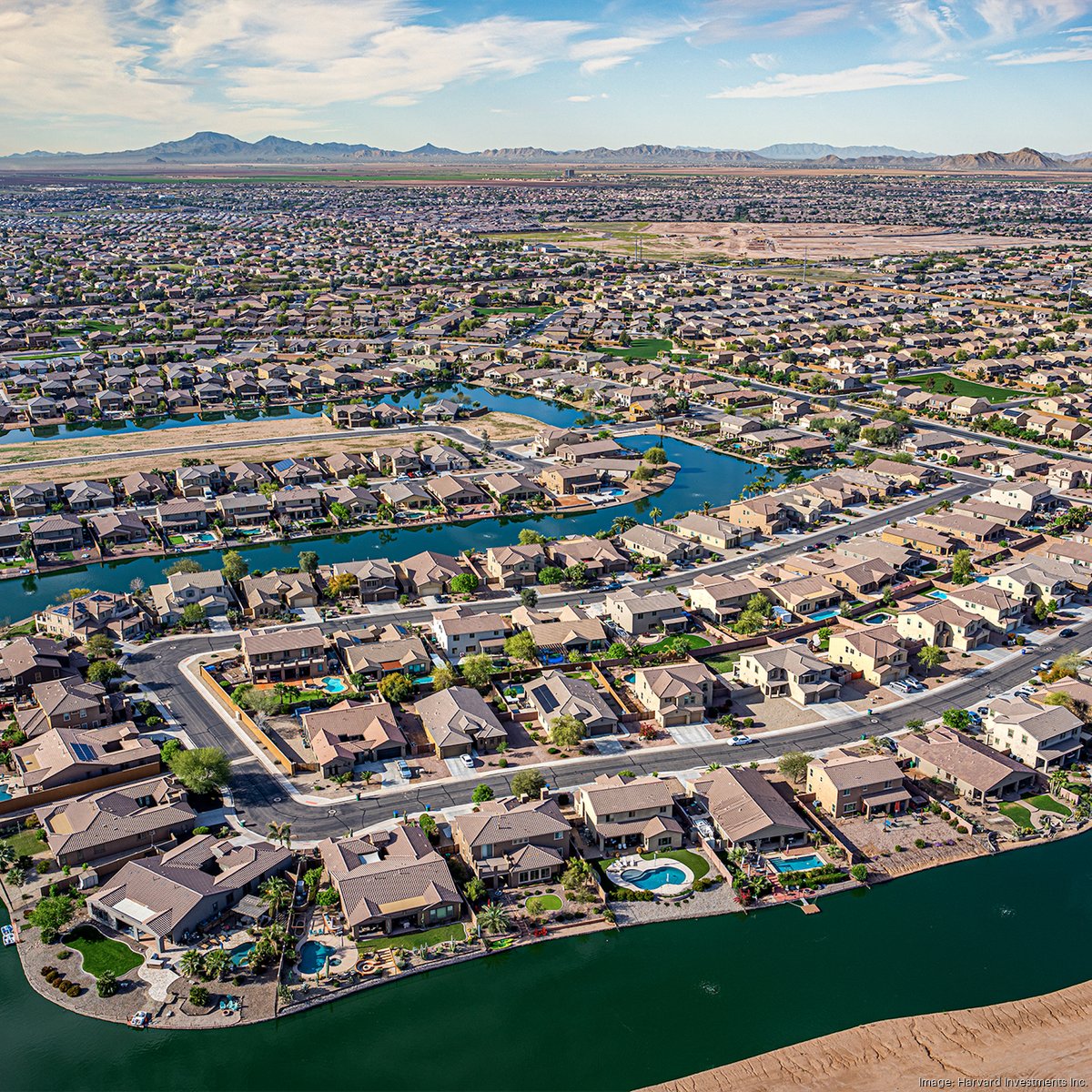
West Valley Community Costs Nobody Warns You About: HOA, CFD, and Assessments
Have you found a West Valley community you love, run the math on the mortgage, and felt good about the number? Here is the part most people miss: the mortgage is not the whole payment. Out here, the community itself can add real money on top of your loan, every single month, and nobody hands you that figure at the model home.
This is the stuff I walk every buyer through before we get too attached to a floor plan. Let me save you the surprise.
Quick gut check
Before you tour, can you answer these three for the exact home you are looking at?
What are the monthly HOA dues, and what do they actually cover?
Is there a CFD or special tax district attached to this parcel?
Are any special assessments planned or already on the books?
If you cannot answer all three, you do not yet know your real monthly cost.

1. HOA dues: easy to find, easy to underestimate
Most West Valley master planned communities carry a homeowners association, and the dues pay for the things that made you want to live there: the parks, the pools, the landscaping along the main roads, the gates if there are any. The dues are usually easy to get in writing. The mistake buyers make is treating them like a rounding error. Add them to your mortgage, your taxes, and your insurance, then look at the real monthly total before you decide what you can afford. A community with a big amenity list is not automatically the wrong call, but you should know you are paying for that amenity list whether you use it or not.
My honest take: if the clubhouse and the resort pool are the reason you are buying, the dues are worth it. If you are never going to touch them, a lower dues community may be the smarter buy for the same house.
2. The CFD: the cost almost nobody warns you about
This is the one that catches people. A lot of newer West Valley communities sit inside a Community Facilities District, usually called a CFD. In plain terms, it is a special taxing district that helped pay for the infrastructure (the roads, the water lines, the things that turned raw desert into a neighborhood), and it shows up as an extra line on the property tax bill for homes inside it. Two houses that look identical can carry very different yearly costs purely because one sits in a CFD and one does not.
I am not telling you a CFD is bad. Plenty of communities I like are inside one. I am telling you to ask the question on every home, get the actual amount in writing, and fold it into your budget before you fall in love. [PULL REAL NUMBER: add a typical West Valley CFD range here if you want to cite one]
3. Special assessments: the surprise bill
Beyond the regular dues, an HOA can levy a special assessment when something big needs paying for, a major repair or a shared amenity project that the reserve fund does not cover. You cannot predict every one of these, but you can ask two things: how healthy are the association reserves, and is anything already planned. A community that keeps its reserves funded is far less likely to hand you a surprise bill a year after you move in.
How this ties back to your buying power
Here is the bridge most people do not connect. Every dollar of HOA, CFD, and assessment is a dollar the lender counts against what you qualify for, so a higher community cost can quietly shrink your price range. So can your credit profile, because a stronger profile tends to mean a better rate, and a better rate changes the monthly payment on the exact same house. If you are still a few months out from buying, this is the window to get both sides in shape: understand the full carrying cost of the community you want, and get your credit in the best position it can be in before you apply. This is general education, not legal or lending advice, and your lender will give you the numbers specific to you.

Your before you tour checklist
Get HOA dues in writing, plus exactly what they cover.
Ask if the parcel sits in a CFD or special tax district, and get the yearly amount.
Ask about reserve health and any planned special assessments.
Add mortgage, taxes, insurance, dues, and any district cost together. That total is your real number.
Get your credit reviewed early so your rate is working for you, not against you.
None of this is meant to talk you out of a community you love. It is meant to make sure the home that looks affordable at the model still looks affordable on the first of every month. Know the full cost going in, and you buy with your eyes open.
If you want help running the real monthly math on a specific West Valley community, or getting your credit ready before you start touring, reach out to the Keys team and we will walk you through it. DM us on Instagram @keys.credit, or call or text (623) 887-4572, or email[email protected].